
Introduction
Technology is transforming nearly every aspect of life, including how care is delivered to older adults and individuals with disabilities. In Stoke-on-Trent, where many families rely on home care support, new technological solutions are helping clients live more safely, independently, and confidently in their own homes.
From smart alarms to telehealth appointments, digital tools are reshaping the future of care. But technology alone is not enough, it must be paired with personalised, human support.
This blog explores how modern technology is improving home care outcomes in Stoke-on-Trent and what families can expect in the years ahead.
1. The Growing Role of Technology in Home Care
Technology now plays a major role in supporting everyday living, especially for older adults. In Stoke-on-Trent, more families are adopting assistive devices to enhance safety and convenience.
1.1 Telehealth & Virtual Consultations
Clients can quickly connect with GPs, nurses, or specialists without leaving home. Telehealth is especially helpful for:
- Individuals with mobility issues
- Those recovering from illness
- Clients living in more remote parts of Stoke-on-Trent
Virtual appointments save time and reduce stress, especially for clients who struggle with transport.

1.2 Medication Reminder Apps
Apps and smart pill dispensers help ensure:
- Medications are taken on schedule
- Dosages are accurate
- Alerts notify family or carers of missed doses
These tools greatly reduce medication errors.
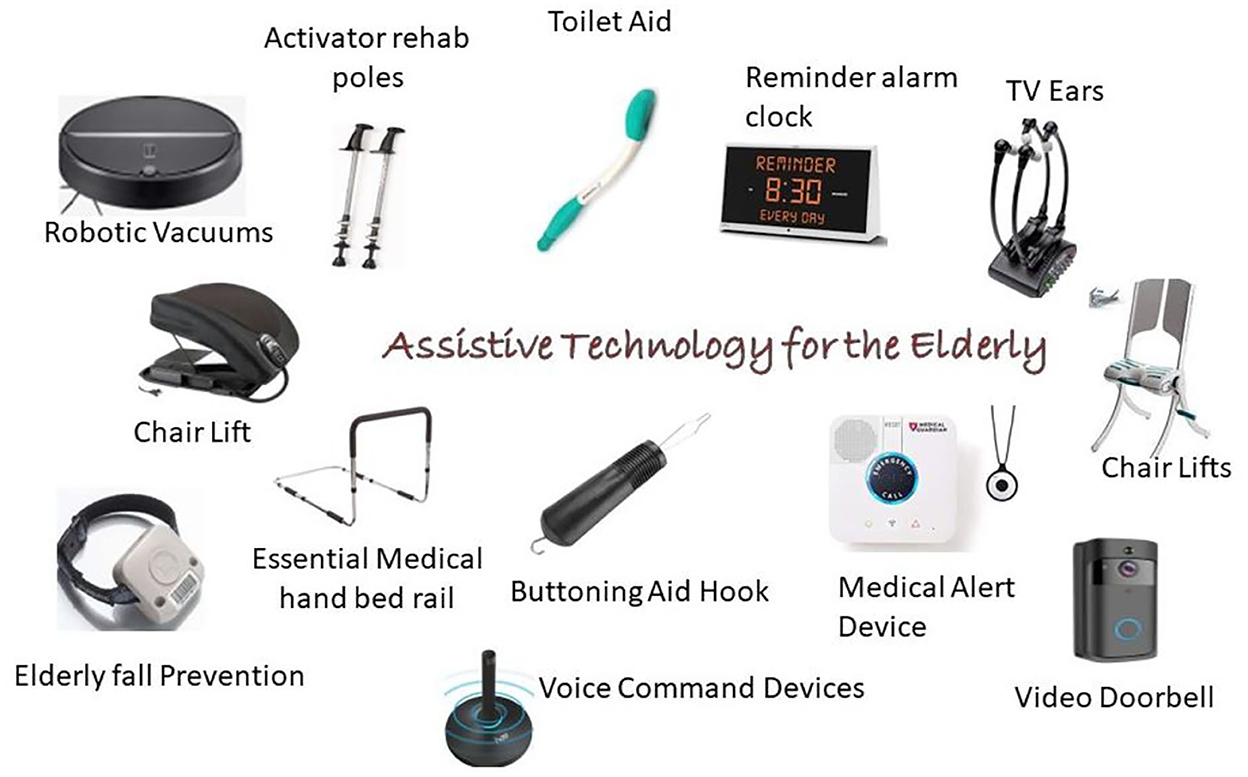
1.3 Fall Detection & Safety Sensors
Devices like:
- Fall alarms
- Motion detectors
- Bed pressure sensors
- Door alarms help carers monitor safety remotely.
These tools are incredibly beneficial for clients with dementia in areas like Longton or Fenton.
2. Technology Supporting Caregivers
Technology isn’t just helping clients, it’s helping carers deliver safer and more effective support.
2.1 Digital Care Plans
Carers can access up-to-date information instantly:
- Care notes
- Medication changes
- Personal preferences
- Risk assessments
This ensures continuity of care.
2.2 Real-Time Reporting Apps
Apps allow carers to log:
- Completed tasks
- Concerns
- Mood or appetite changes
- Mobility status
Families receive immediate updates, improving communication and transparency.
2.3 GPS & Travel Tools
For carers supporting community outings, GPS tools help plan safe routes and track travel times, especially important in busy areas like Hanley.
3. Enhancing Independence Through Smart Devices
Technology empowers clients to manage more on their own.
3.1 Smart Home Assistants
Devices like Alexa or Google Home help with:
- Setting reminders
- Playing music
- Calling family
- Controlling lights or appliances
This boosts confidence and independence.
3.2 Mobility Support Technology
Tools that improve independence include:
- Electric mobility scooters
- Smart walking aids
- Wheelchairs with sensor technology
These devices make daily navigation easier across Stoke-on-Trent.
3.3 Safety Alarms & Monitoring
Personal alarms alert carers in emergencies. Clients feel safer at home knowing help is always available.
4. Technology + Human Care: The Perfect Combination
While technology improves safety and efficiency, it cannot replace compassion, empathy, and personalised support.
4.1 Emotional Support Cannot Be Automated
No device can replace:
- A comforting conversation
- Reassurance during anxiety
- Companionship during meals
- Gentle encouragement
Human presence remains essential.
4.2 Technology Enhances, Not Replaces, Carers
For example:
- Fall sensors alert carers faster
- Video calls help maintain social contact
- Digital records reduce errors
The human relationship remains at the heart of care.
5. The Future of Home Care in Stoke-on-Trent
Emerging technologies will further reshape home care.
5.1 AI-Powered Monitoring
AI can track:
- Daily routines
- Changes in movement
- Emotional patterns
- Early signs of illness
This supports early intervention.
5.2 Virtual Reality Therapy
VR may play a role in:
- Pain management
- Cognitive stimulation
- Rehabilitation exercises
5.3 Expanded Use of Robotics
Robotic technologies are developing for:
- Household tasks
- Mobility support
- Medication management
5.4 Smarter Homes
Homes may include built-in:
- Health sensors
- Automated safety systems
- AI-driven fall detection
The future of home care will be safer, more efficient, and deeply personalised.
Conclusion
The future of home care in Stoke-on-Trent is a fusion of innovation and compassion. Technology is giving seniors greater independence, improving safety, and supporting caregivers in new ways, but human support remains irreplaceable.
By embracing modern tools with compassionate care, families can ensure their loved ones receive the best possible support to live confidently and comfortably at home.
